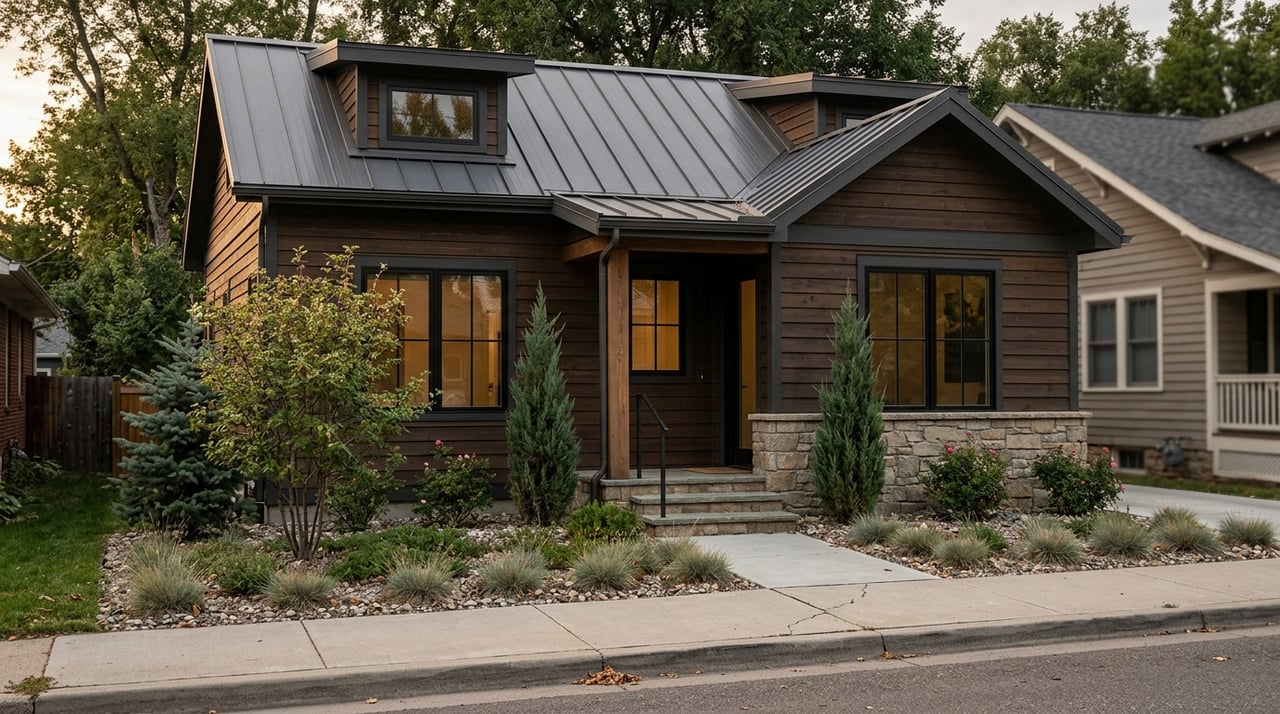
Trying to choose between Helena and the nearby small towns? That decision can shape your daily routine more than the home itself. If you are weighing commute time, lot size, utilities, and the feel of a more compact town versus a more rural property, the differences matter. This guide will help you compare Helena, East Helena, and nearby communities like Montana City, Clancy, and Jefferson City so you can choose the fit that works best for how you want to live. Let’s dive in.
Start With Your Daily Priorities
The best choice usually comes down to what matters most in your everyday life. Some buyers want quick access to services, shorter drives, and more housing options. Others are willing to trade convenience for acreage, privacy, and room to spread out.
In the Helena area, those tradeoffs are pretty clear. Helena proper is the most compact and service-rich option, while communities to the south and east tend to be more rural and lot-driven. County planning documents also show that the Helena Valley has been the county’s main growth area for years, which helps explain why so much development is concentrated there.
Helena: Convenience First
Helena is the clear choice if you want to stay close to services and keep your day-to-day errands simple. The city had an estimated population of 34,729 in 2024 across 16.82 square miles of land area, which makes it much more compact than the surrounding rural communities.
That compact layout shows up in commute times too. Helena’s mean travel time to work was 13.7 minutes in the 2020-2024 American Community Survey, compared with 18.3 minutes countywide. If a shorter drive matters to you, that is a real advantage.
Housing Mix in Helena
Helena offers a broader mix of housing than many nearby small towns. The city’s 2020-2024 ACS profile shows that more than half of homes are owner-occupied, with a median owner-occupied home value of $387,300 and a median gross rent of $1,092.
That mix can give you more flexibility depending on your budget and goals. If you want a standard neighborhood setting, city utilities, or a wider range of home types, Helena is often the easiest place to start.
Planning and City Services
Helena’s planning system is built around zoning, subdivision review, annexation, and neighborhood density management. The city has residential, commercial, and manufacturing districts, along with lower-, medium-, and higher-density residential categories.
For you as a buyer, that means the city has a more structured framework for how land is used and how neighborhoods grow. Parcels seeking city services typically move through annexation, which adds another layer of predictability if you prefer a more defined development pattern.
East Helena: A Small-Town Middle Ground
If Helena feels a little too city-centered but you still want municipal services, East Helena can offer a useful middle ground. The city says it is home to about 2,000 people, and its water master plan lists the city limits at about 1.74 square miles.
That smaller footprint can feel more town-scaled while still giving you some of the systems buyers often want. East Helena bills monthly for water, wastewater, and garbage, and it has a formal zoning and subdivision process along with a 2021 growth policy update.
Why East Helena Appeals to Some Buyers
East Helena works well for buyers who want a smaller-town setting without moving fully into a rural infrastructure model. You still have municipal utility systems and a more compact street pattern, which can make the transition easier if you are not looking for well, septic, and long stretches of county road.
It also has some transit support. Capital Transit serves Helena city limits and offers a limited East Valley and East Helena route on weekdays, which is a feature that farther-out communities generally do not share.
Growth and Service Limits Matter
East Helena is growing through annexation and service extension, according to county planning materials. Those same documents also note that limited water and sewer capacity help shape where new development is likely to go.
That matters if you are thinking long term. A property’s location inside or near existing service areas can affect how straightforward future growth and development may be.
Montana City, Clancy, and Jefferson City: More Space, More Tradeoffs
If your priority is land, privacy, or a more rural-residential setting, the communities south of Helena often stand out. Montana City, Clancy, and Jefferson City tend to fit buyers who want room for outbuildings, more separation from neighbors, or a property that supports a more space-first lifestyle.
Jefferson County growth policy documents show that smaller residential properties are scattered throughout the county, with the greatest concentrations near Montana City, Jefferson City, and Clancy. Commercial properties also tend to cluster near highway corridors, especially around Montana City and Clancy.
Density Looks Very Different
The contrast with Helena is significant. Montana City had 2,918 residents across 34.1 square miles of land area, which works out to about 86 people per square mile.
That is a very different pattern from Helena’s 1,907.8 people per square mile. In practical terms, you are often looking at more land, more distance between homes, and a more car-dependent daily routine.
Lot Sizes Can Increase Quickly
Jefferson County’s zoning framework includes minimum lot areas of 2 acres, 5 acres, 10 acres, 22 acres, and 160 acres in different residential and resource districts. That alone tells you a lot about how quickly the character of property can shift once you move outside city-based development patterns.
If you want acreage, a shop, room for animals, or larger outbuildings, these communities may offer a better fit. If you prefer a smaller lot and lower land-maintenance demands, Helena or East Helena may feel more manageable.
Roads and Infrastructure Are Part of the Decision
Rural living often comes with different infrastructure realities. Jefferson County’s road department maintains about 775 miles of roads, and the county notes that surfaces range from asphalt and chip seal to gravel and non-maintained roads.
That does not make one area better than another, but it does change your day-to-day experience. Access, road conditions, and maintenance can all be worth discussing before you decide on a home search area.
County growth documents also point to service questions that can matter over time. The Clancy Water and Sewer District has focused on water supply planning, while Montana City may eventually need a public wastewater facility as growth continues.
How To Compare These Areas Clearly
When buyers feel stuck between Helena and nearby small towns, it usually helps to strip the decision down to a few practical questions. Your answer is often less about the name of the town and more about the kind of routine you want.
Here are the biggest things to weigh:
- How important is a shorter commute compared with having more land?
- Do you want city water, sewer, garbage, and some transit access?
- Are you comfortable with a more rural setup and county-level infrastructure questions?
- Do you want a standard neighborhood lot, a 1 to 2 acre homesite, or a larger multi-acre property?
- Would you rather be in a place with more formal zoning and service structure, or in an area where lot size and services vary more by district?
A Simple Side-By-Side View
| Area | Best Fit For | Key Traits |
|---|---|---|
| Helena | Buyers who want convenience | Shorter commutes, broader housing mix, city utilities, structured planning |
| East Helena | Buyers who want a small-town middle ground | Smaller footprint, municipal utilities, formal planning, limited weekday transit support |
| Montana City, Clancy, Jefferson City | Buyers who want space and privacy | Lower density, larger lot potential, more rural roads, county-level service tradeoffs |
Which Fit Might Be Right for You?
If you want the shortest drives, easier access to services, and a broader range of housing types, Helena is usually the convenience-first choice. It is the most compact option and the most built around city systems.
If you want a smaller-town setting but still value municipal services and a more structured setup, East Helena can make a lot of sense. It often feels like a middle path between city convenience and rural living.
If your focus is land, privacy, and a more rural property style, Montana City, Clancy, and Jefferson City may line up better with your goals. These areas often suit buyers who care more about space and flexibility than about being close in.
Choosing the right fit is really about matching the property to your routine, priorities, and long-term plans. That kind of clarity can save you time and help you search with more confidence from the start.
If you want help comparing Helena with the surrounding small towns, Joszie and Jason Driear can help you sort through the tradeoffs and find the area that fits your lifestyle best.
FAQs
How does Helena compare to nearby small towns for commute time?
- Helena had a mean travel time to work of 13.7 minutes in the 2020-2024 ACS, compared with 18.3 minutes countywide, so it generally offers shorter commutes than more rural nearby areas.
Is East Helena considered more rural than Helena?
- East Helena is smaller than Helena, but it still has municipal water, wastewater, garbage service, and a formal planning process, so it functions as a middle ground rather than a fully rural option.
Are Montana City, Clancy, and Jefferson City better for acreage?
- These communities are often a stronger fit if you want more land, because Jefferson County zoning includes districts with minimum lot sizes ranging from 2 acres up to 160 acres.
What utilities should you expect in East Helena versus rural areas near Helena?
- East Helena provides municipal water, wastewater, and garbage billing, while farther-out rural communities may involve different service setups and more county-level infrastructure considerations.
Why do buyers choose Helena over nearby small towns?
- Buyers often choose Helena for its compact layout, quicker access to services, shorter average commute times, and broader mix of owned and rented housing.