If your Anaconda home is about to hit the market, one question matters right away: will buyers see a home that feels cared for, or one that feels like work? In a market where buyers have options, the little things can shape how quickly your home gets shown, how strongly it gets offered on, and how much negotiating room buyers expect. The good news is that you do not need a full remodel to make a strong impression. You need smart prep, clear priorities, and a plan that fits Anaconda’s housing stock and buyer expectations. Let’s dive in.
Why presentation matters in Anaconda
As of March 2026, Anaconda had 108 homes for sale, a median listing price of $350,000, a median 78 days on market, and homes selling for about 97% of asking price on average. That points to a market where buyers have meaningful choice and some room to negotiate. When that is the case, condition and presentation can make a real difference.
For sellers, that means standing out is less about chasing every trend and more about reducing buyer hesitation. If your home looks clean, maintained, and easy to move into, you can remove friction before it starts. That matters in online photos, at showings, and later during inspections.
Know what local buyers are seeing
Older housing shapes expectations
Anaconda’s housing stock is older than the statewide norm. County housing data used in local planning shows that 39.9% of housing units were built in 1939 or earlier, nearly 65% were built before 1960, and a later county health assessment reported that 83% of housing units were built before 1978.
That does not mean buyers expect perfection. It does mean they are often looking closely at upkeep, systems, and signs of ongoing maintenance. In older homes, buyers tend to notice condition quickly because they know age can bring extra questions.
Size and layout also matter
Local housing data also shows a smaller housing profile than the statewide average, with 47% of units having two or fewer bedrooms. In many Anaconda homes, that makes space feel especially important.
If rooms look crowded or overly personalized, buyers may focus on limits instead of possibilities. Good preparation helps your home feel functional, open, and easy to understand.
Historic character is part of the market
Anaconda has a strong preservation identity, with five historic districts and 27 individual properties listed in the National Register of Historic Places. Local planning documents also treat historic rehabilitation and visual appearance as important parts of community vitality.
For sellers, that creates a useful guide. Buyers are likely to respond well to homes that feel true to their style, with original character respected and visible maintenance handled well. Overdone updates that fight the home’s character may not land as well as thoughtful, compatible improvements.
Start with repairs before cosmetics
Before you think about paint colors or throw pillows, look at the basics. Montana’s seller disclosure law specifically calls out issues such as water service, wastewater treatment, utility connections, structural systems, water intrusion, roof, foundation, plumbing, electrical, heating, windows, doors, appliances, drainage, and unpermitted additions or alterations.
That makes function the first priority. If buyers spot deferred maintenance early, they may assume bigger problems are hiding underneath. Even simple repairs can help create confidence.
Focus on the items buyers notice fast
Start with the things most likely to show up in a showing or inspection:
- Leaky faucets or visible plumbing issues
- Sticking windows or doors
- Missing trim or damaged flooring
- Cracked steps, rails, or porch boards
- Peeling paint or damaged exterior surfaces
- Burned-out light bulbs or dated, dim lighting
- Signs of roof or gutter neglect
- Water stains or evidence of moisture intrusion
- HVAC, heating, or electrical issues you already know about
You do not need to make an older home feel brand new. You do want it to feel solid, honest, and well cared for.
Handle disclosures and paperwork early
In Anaconda, prep is not just visual. It is also about getting ahead of the questions buyers are likely to ask.
If you wait until you are under contract to sort out permits, repairs, or environmental records, you may create delays or invite concern. A little organization now can make the listing process smoother later.
Check permits for past work
If your property has had major alterations or additions, it is worth confirming your paperwork before listing. That matters because Montana’s disclosure law specifically asks about substantial additions or alterations made without a building permit.
Anaconda-Deer Lodge County’s planning department offers building permit and demolition permit applications and has a building inspector, which can help sellers verify records. If you know work was done, gather what you have and clarify what is documented.
Review well and septic details
For rural or edge-of-town properties, local well and septic information can be especially important. The Anaconda-Deer Lodge County Environmental Health Department provides education, permitting, and licensing for septic systems and wells, and a well permit is required in the county.
If your property uses a private well or septic system, gather permits, service records, maintenance history, and any relevant documentation before listing. Buyers tend to feel more comfortable when they can see a clear paper trail.
Be ready for environmental questions
Environmental history is part of the local conversation in this area. EPA information about the former Anaconda Co. Smelter site notes historic contamination affecting soil, groundwater, and surface water in the broader area.
If your property has a known remediation history, prior testing, or location-specific environmental documentation, collect it before your home goes live. Clear, careful disclosure is better than leaving buyers to fill in the blanks on their own.
Understand pre-1978 lead considerations
Because so much of Anaconda’s housing stock was built before 1978, many sellers will need to think about lead-based paint rules. For most pre-1978 housing, buyers must receive the required lead hazard information and any known lead information before purchase.
If you are doing repair or prep work that disturbs paint in an older home, use trained professionals who follow lead-safe work practices where needed. This is one more reason to start your prep early instead of rushing through it right before photos.
Use low-cost updates that show well
Once the home’s condition is under control, shift to simple improvements that help buyers feel good the moment they walk in. Local seller guidance from Realtor.com notes that minor updates such as paint, fixtures, and landscaping typically pay off better than major renovations.
In a market where homes are taking a median 78 days to sell and often close a little below asking, visible polish can help reduce objections without overinvesting. The goal is not to make your home look expensive. The goal is to make it look easy to say yes to.
Smart updates to consider
A few targeted changes can have a strong impact:
- Fresh paint in simple, neutral tones
- Updated light fixtures where older ones feel dim or tired
- Deep cleaning, especially kitchens, baths, windows, and floors
- Touch-up paint on trim, doors, and baseboards
- Repaired caulking around tubs, sinks, and windows
- Clean, simple hardware if existing pieces are worn
- Neat landscaping and a tidier entry
- Clean porches, steps, and exterior lighting
These updates support the impression buyers want: a home that has been maintained and respected.
Make curb appeal feel true to Anaconda
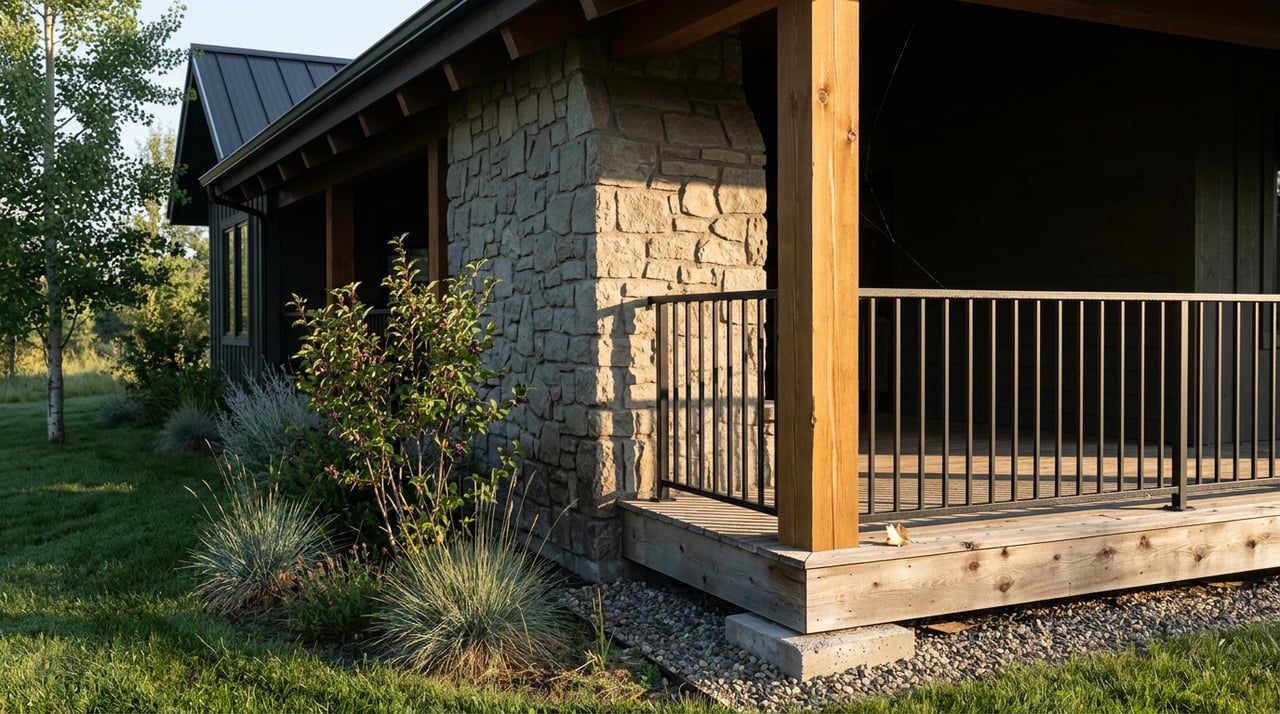
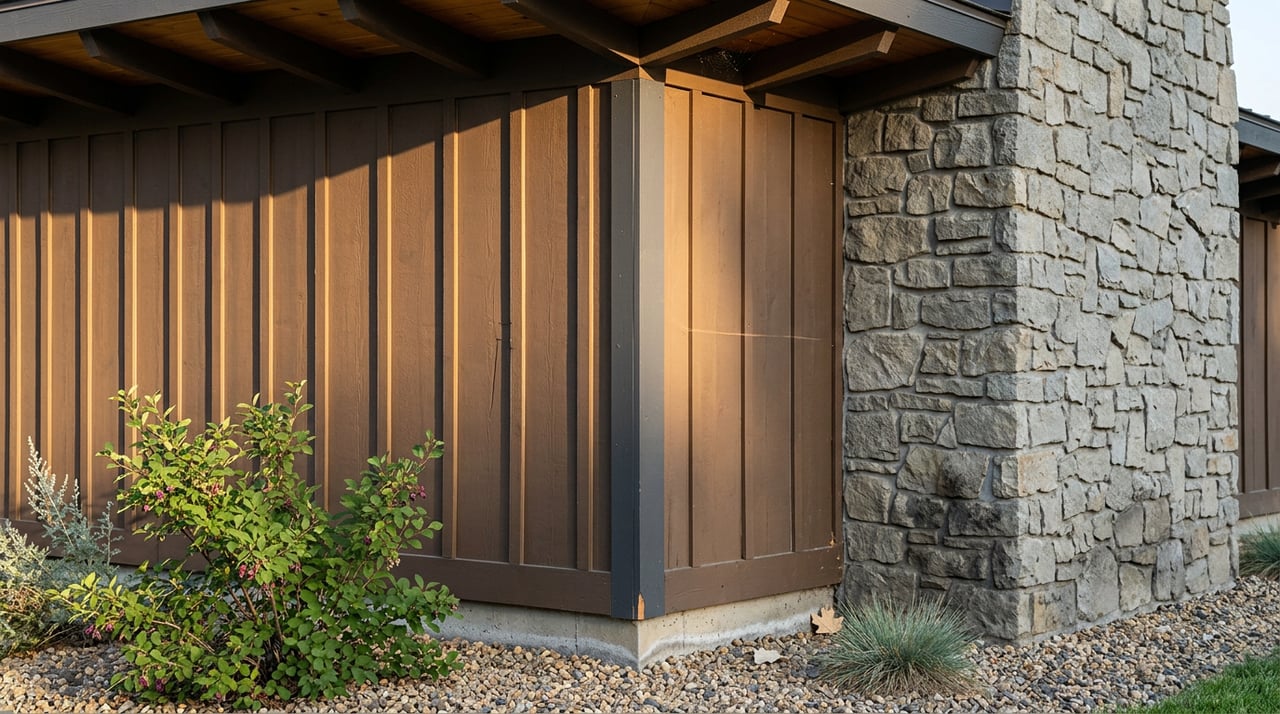
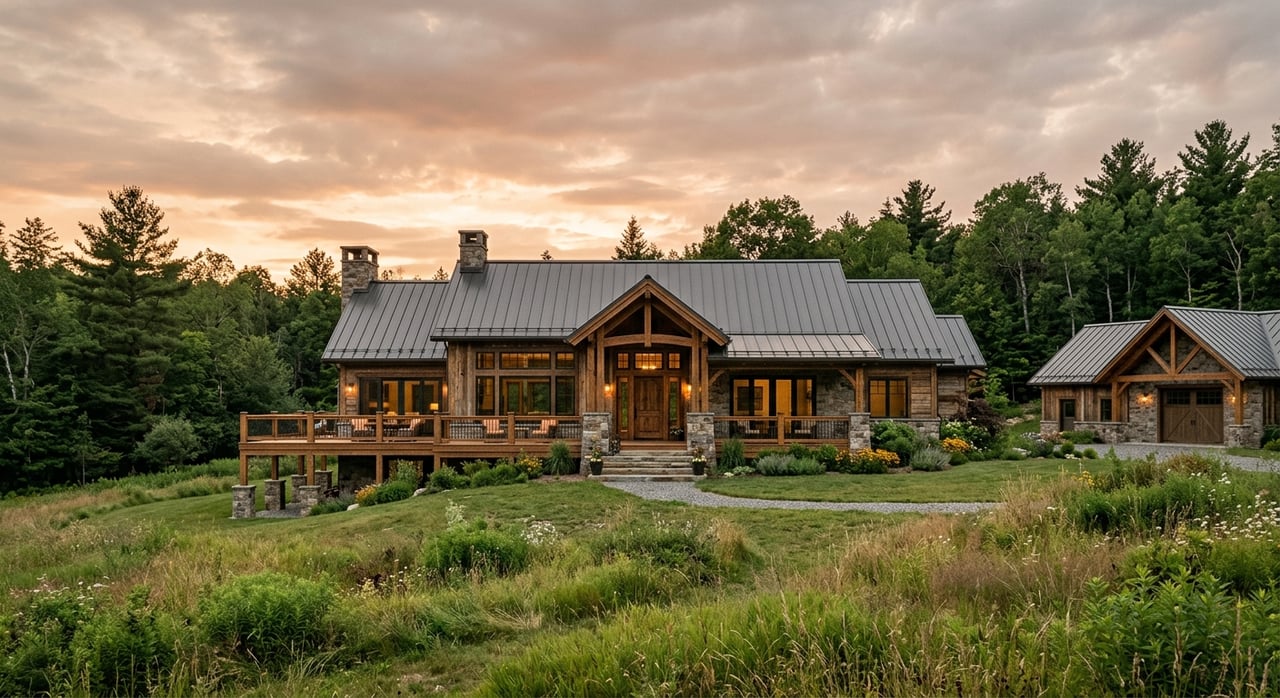
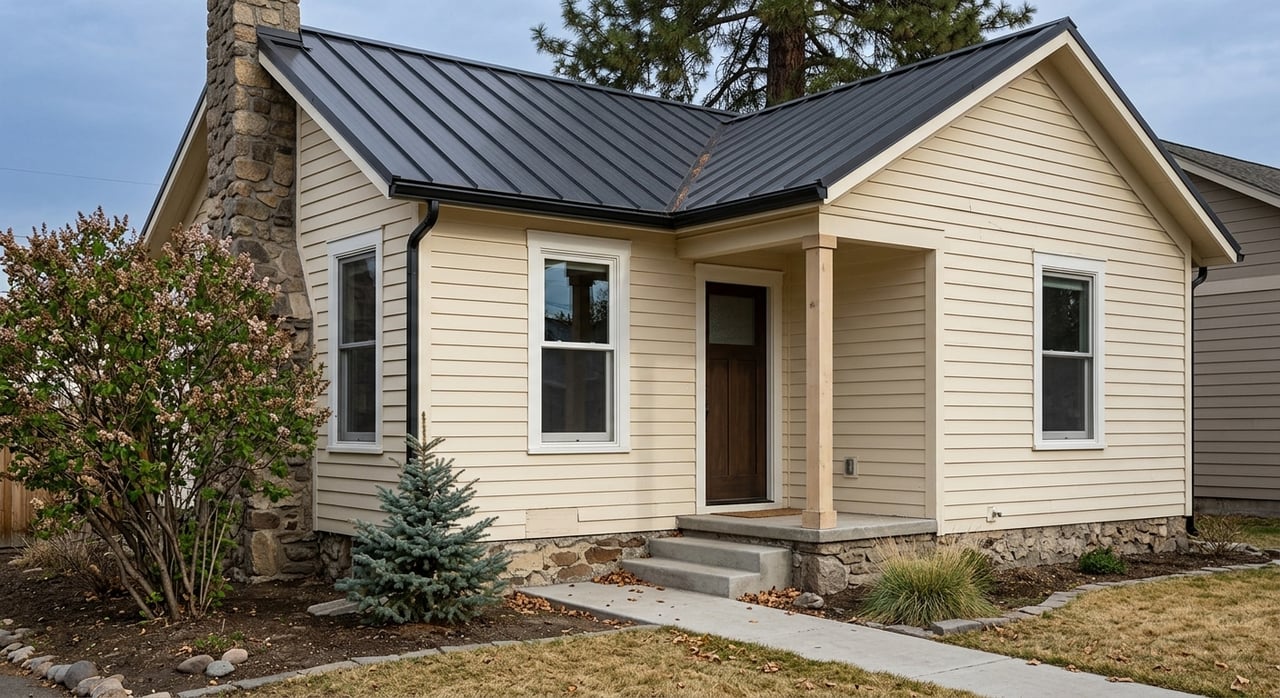
First impressions start before the front door opens. Local planning documents emphasize visual appearance, historic rehabilitation, and the role that well-kept buildings play in community vitality.
That makes exterior presentation especially important in Anaconda. Buyers notice porches, trim, lighting, yards, and entry condition right away, both in listing photos and in person.
Prioritize the exterior basics
Before listing, pay attention to these exterior details:
- Mow and edge the lawn if applicable
- Remove dead plants, weeds, and clutter
- Sweep porches and walkways
- Repair loose railings or damaged steps
- Touch up trim and paint where wear stands out
- Clean windows and screens
- Add brighter, working exterior bulbs
- Store tools, hoses, and extra materials neatly
If your home has historic character, keep changes simple and compatible with the style. A well-kept exterior usually does more for buyer confidence than a flashy update that feels out of place.
Stage for space and function
In many Anaconda homes, the challenge is not luxury styling. It is helping buyers understand how the home lives.
Because local homes are often older and somewhat smaller, staging works best when it makes rooms feel open and purposeful. You want buyers to focus on flow, light, and usability rather than extra furniture or crowded corners.
Keep staging practical
Try these staging principles:
- Remove extra furniture to open up walkways
- Clear off counters and large surfaces
- Use each room for one clear purpose
- Store personal collections and oversized decor
- Add lighting to darker spaces
- Keep bedding and window treatments simple
- Organize mudrooms, laundry areas, and storage spots
In smaller or older homes, clear function matters. Buyers should be able to walk through and quickly understand where they would put a table, a bed, or a work-from-home setup.
Skip the remodels that do not move the needle
It is easy to wonder if you should redo the kitchen, gut the bathroom, or take on a full makeover before listing. In most cases, that is not the strongest move for Anaconda sellers.
The better local case for spending before listing is on repairs and presentation that remove objections. Major renovations rarely return full cost, while minor updates often do more to improve buyer response.
A simple rule of thumb
Before spending money, ask yourself whether the project will help in one of these three places:
- The photo gallery
- The first showing
- The inspection
If the answer is yes, it may be worth doing. If the update is mostly about personal taste or a full style overhaul, it may be better to skip it.
Think cared for, not overdone
In Anaconda, buyers are often responding to something very straightforward: does this home feel maintained, honest, and in step with its setting? That is especially true in a market with older housing, visible local character, and buyers who have time to compare options.
The strongest prep plan is usually the simplest one. Fix what is not working, clean thoroughly, brighten the home, respect its style, and gather your records before you list.
If you want practical guidance on what is worth doing before your home hits the market in Anaconda, reach out to Joszie and Jason Driear. Their hands-on construction, finishes, and design background can help you focus on the updates that support a smoother sale.
FAQs
What should Anaconda sellers fix before listing a home?
- Start with visible maintenance and functional issues such as leaks, doors, windows, railings, moisture stains, roof concerns, heating problems, plumbing, electrical items, and anything else buyers are likely to notice during a showing or inspection.
Are major renovations worth it before selling a home in Anaconda?
- Usually, minor improvements like paint, fixtures, cleaning, and landscaping make more sense than large remodels, especially in a market where buyers have options and homes often sell below asking.
How important is curb appeal for homes in Anaconda?
- Curb appeal matters because buyers see the exterior first in photos and in person, and local planning documents place clear value on visual appearance, upkeep, and historically compatible presentation.
What paperwork should Anaconda home sellers gather before listing?
- Gather records related to repairs, permits, additions, wells, septic systems, water testing, environmental documentation, and any other known property conditions that may come up in disclosures or buyer questions.
Do older homes in Anaconda need special preparation before sale?
- Yes, many local homes were built before 1978, so sellers should be ready for questions about condition, maintenance history, and lead-based paint disclosures where applicable.
How should sellers stage smaller homes in Anaconda?
- Keep furniture light, define each room clearly, reduce clutter, brighten darker spaces, and help buyers see how the home functions without distraction.